For 100 years, we have repeatedly innovated and put ideas into action, expanding our business globally through the power of materials and technology. Before we knew it, our products had become woven into many aspects of everyday life for people around the world. "Enrich people's lives with materials." So we always have, and we always will.
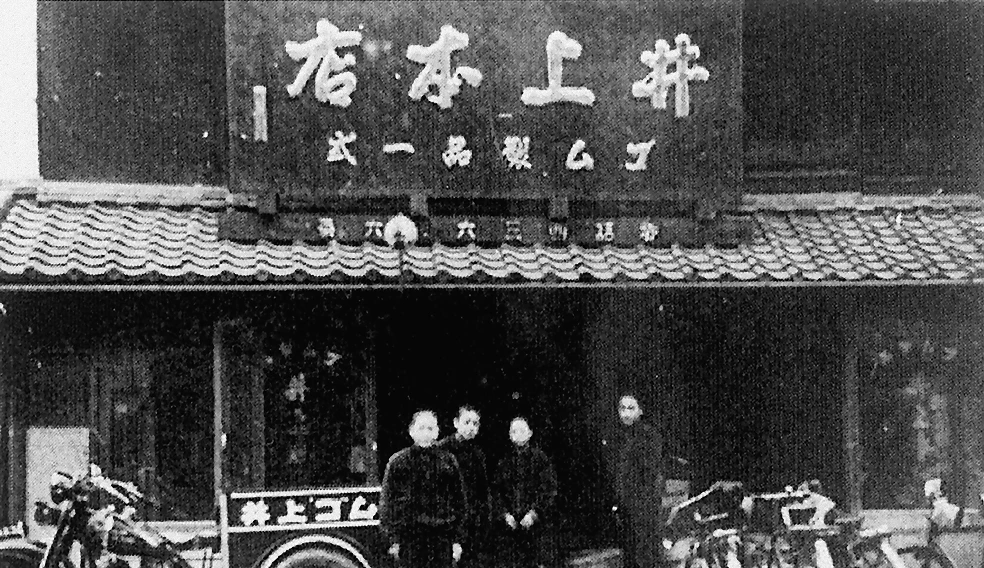
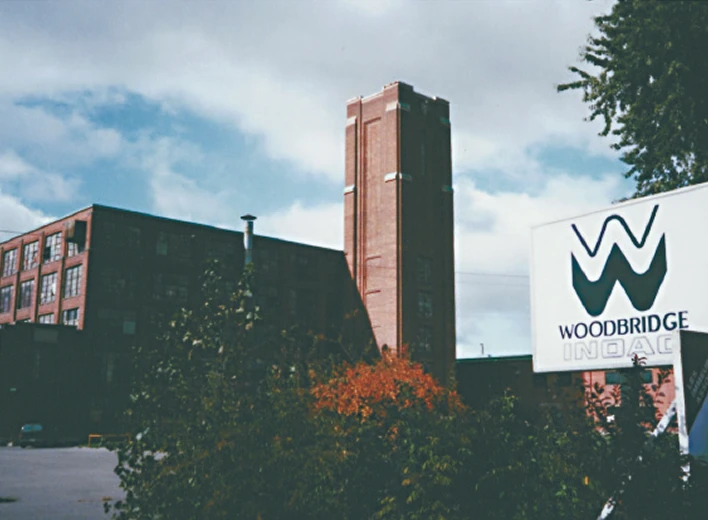
Inoue Rubber Co., the predecessor of Inoue Rubber Co., Ltd., was established in Atsuta Ward in Nagoya, Aichi Prefecture. Began production of bicycle tires and tubes.※写真は創業の原点となった井上本店
1927Japan's first subway began operation between Ueno and Asakusa in Tokyo
1934
Start of exports — Expansion of iRC brandStart of exports —Expansion of iRC brand
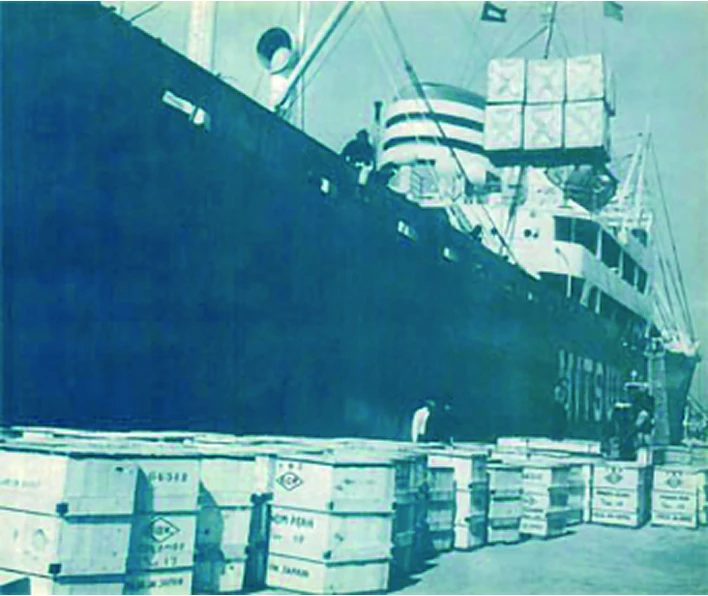
Began exporting iRC-brand tires and tubes in 1934. Expansion beyond domestic demand into Asian markets laid the foundations for our international business. Recognized for their high durability and quality, the products contributed to transportation and logistics infrastructure. A comprehensive supply system spanning manufacturing, transportation, and sales network development took shape, providing the starting point for our later global expansion.
193611th Berlin Olympic Games held
1938
Inoue Rubber Co., Ltd. established
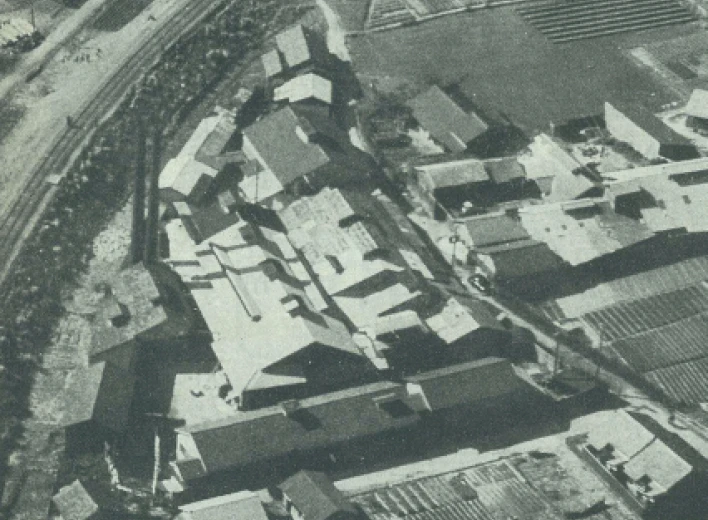
Inoue Rubber Co., Ltd. was established as a corporate entity and began producing industrial rubber products.
1950s
1954
MTP Kasei Co., Ltd. established
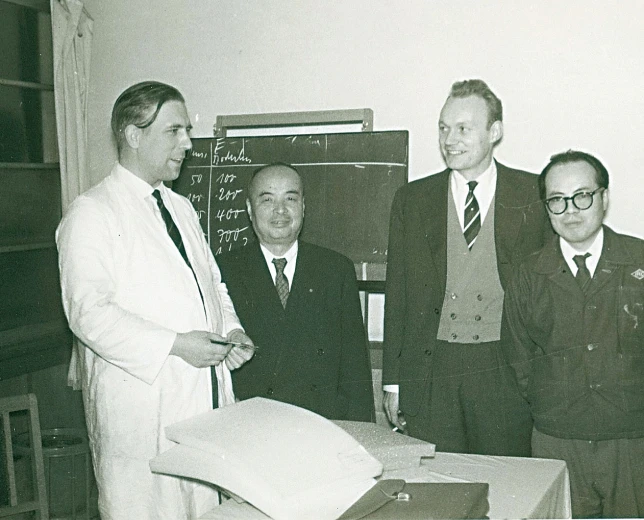
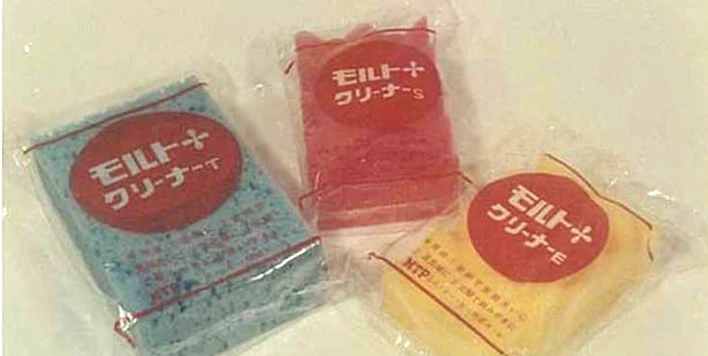
MTP Kasei Co., Ltd. was established through technological cooperation with Germany's Bayer. The company name MTP was derived from Moltopren, the name of the polyurethane foam whose production technology was introduced.
1955
Launched Japan's first-ever mass production of polyurethane foam
Our polyurethane foam applications later expanded beyond mattresses and thermal insulators to a variety of other fields, including automotive components, infrastructure, and civil engineering.
1958Worldwide hula hoop boom
1959
Developed a transparent nylon baby bottle
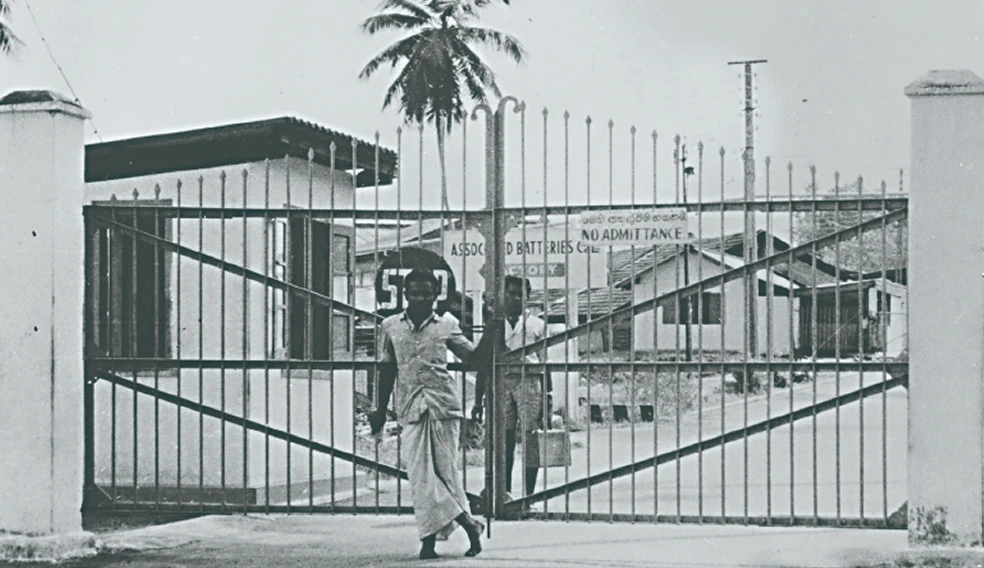
First overseas joint venture established in Sri Lanka
Established our first overseas joint venture in Sri Lanka, marking the first step in our full-scale overseas expansion.
The decision to establish a joint venture was based on more than business considerations alone. It reflected the founder's strong desire to deeply respect local cultures and values and build relationships that would allow us to grow together as partners. This philosophy became a strong foundation supporting our overseas business.
It has continued to be carried forward in our subsequent overseas expansion, with many of our businesses growing from joint ventures into operations rooted in local communities.
Expanded into bedding
Launched the Color Foam mattress and entered the bedding business
1960s
1960
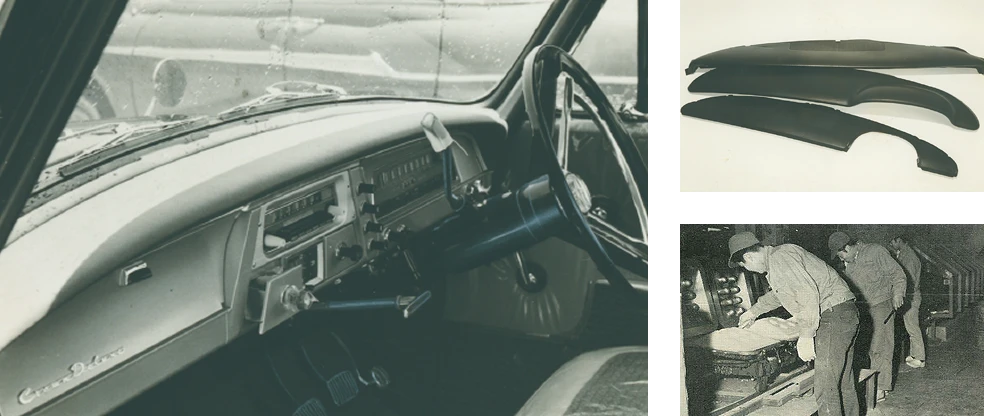
Expanded into automotive components
Our polyurethane-foam automotive interior components became the first of their kind to be adopted in Japan, marking our first step into the automotive components business.
1963Japan's first expressway, the Meishin Expressway, opened
1964
Foamlite was adopted for Shinkansen railway vehicles.
1964Tokaido Shinkansen opened
Tokyo Olympic Games held
Private car ownership increased
1968Yasunari Kawabata awarded the Nobel Prize in Literature
1970
Expanded full-scale into Southeast Asia
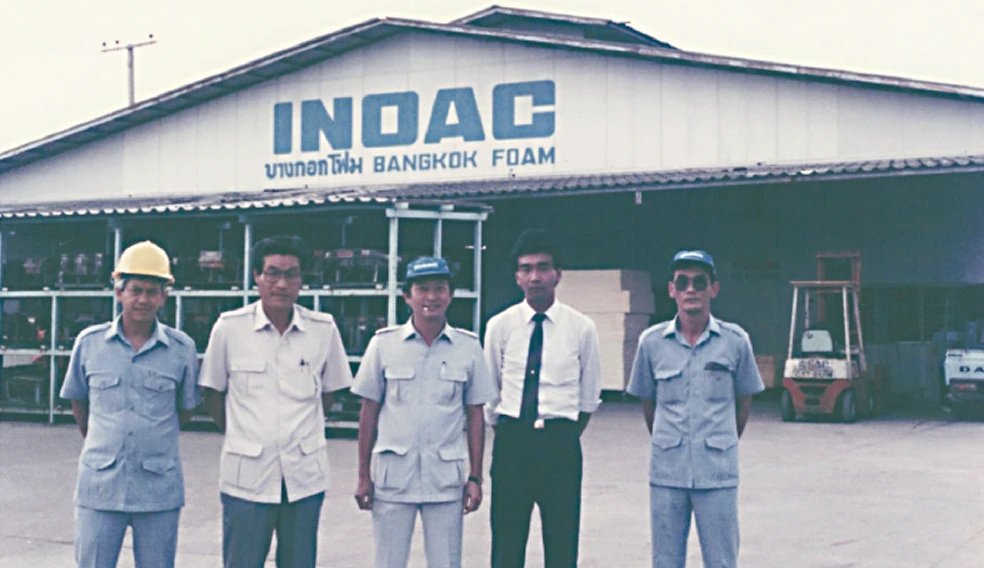
Established joint venture in Thailand. Soon after, however, the oil crisis hit, creating an emergency as raw materials became extremely difficult to procure.
Having moved early to expand globally and build our own network, we drew on every available supply route and personal connection to secure raw materials, earning trust in the process. This became a major foothold for our full-scale expansion into Southeast Asia.
1970Expo '70 Osaka held
1972Okinawa reverted to Japan
19731973 oil crisis
1973
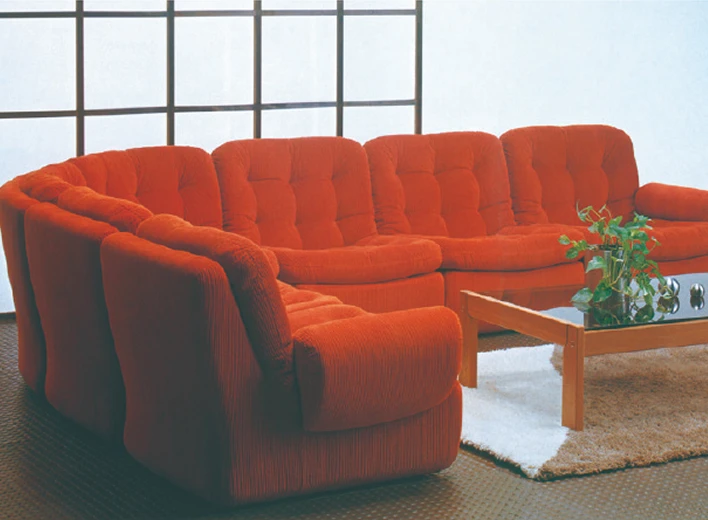
Expanded into furniture
Established the joint venture HUKLA Japan Inc. with major department store and Germany's HUKLA to manufacture and sell high-end furniture. Entered the furniture business.
1978New Tokyo International Airport (Narita) opened
19791979 oil crisis
1979
Succeeded in synthesizing the raw material polyol from palm oil instead of crude oil
1980s
1980
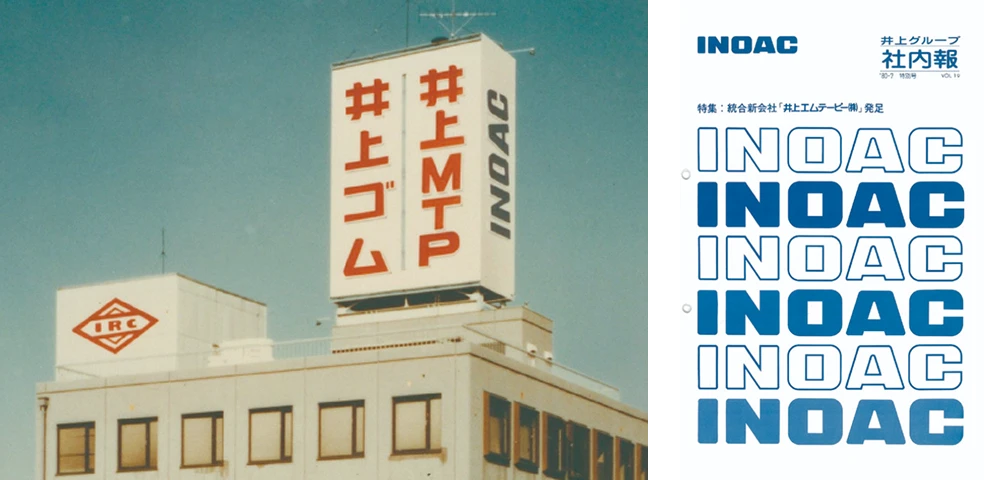
Birth of INOAC
The industrial rubber and plastics section of Inoue Rubber Co., Ltd. merged with MTP Kasei Co., Ltd. to establish Inoue MTP Co., Ltd. INOAC was born as a unified Group brand.
This merger was undertaken in response to growing market demand, with the aim of providing integrated services from R&D through production and sales, rather than operating separate companies for each material. The story goes that the words kasei ("chemical") and kogyo ("industrial"; appears in Japanese company name but not the English name) were dropped from the company name so that we would not be tied to any particular field and could actively pursue new businesses while adapting to changes in society.
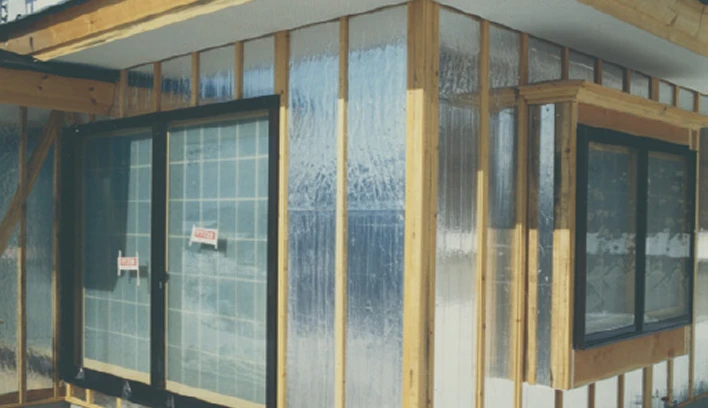
Expanded into construction materials
Began producing THERMAX flame-retardant thermal insulation construction materials, marking our expansion into the construction materials business.
1981Voluntary export restraints imposed on passenger car exports to the U.S.
1982
Urethane foam was adopted for the waist gathers of disposable diapers
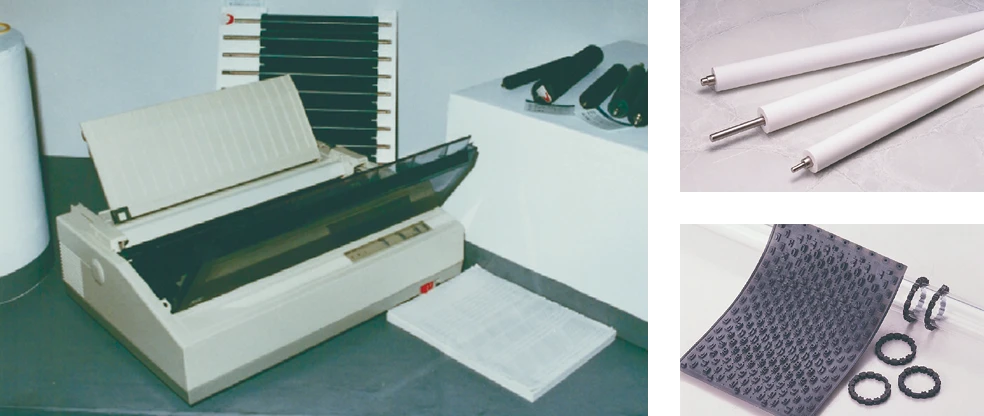
Expanded into office automation
Began manufacturing rubber paper-feed rollers for fax machines, copiers, and other equipment. Made a full-scale entry into office automation equipment.
1982Tohoku Shinkansen opened
1985
Expanded full-scale into North America
Established a joint venture in Canada and began preparations for local production of automotive interior components. This helped support Japan's automotive industry as it faced voluntary export restraints on exports to the U.S.
Subsequently established a core location in the U.S. and began full-scale expansion into North America. This further strengthened our automotive component production system.
1987Japanese National Railways privatized — JR established
Susumu Tonegawa became first Japanese recipient of the Nobel Prize in Physiology or Medicine for his research in immunology
1989Emperor Hirohito passed away — Start of Heisei era
Japan's first broad-based indirect tax, the consumption tax, introduced
1990
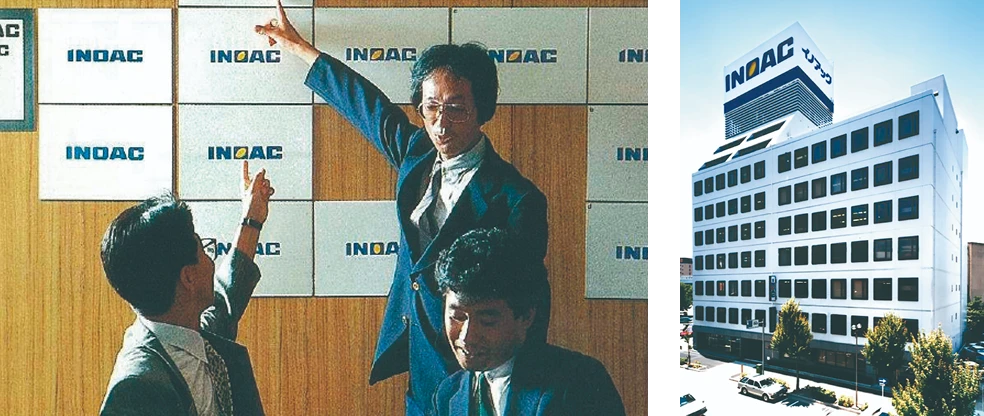
Company name changed to INOAC Corporation, and corporate identity (CI) renewedCompany name changedto INOAC Corporation,and corporate identity(CI) renewed
INOAC, which had already been used as the Group brand name on signage and elsewhere, was formally adopted as the company name. Our CI was also renewed alongside it. This unified our company name, brand name, and CI.
At the same time, we began promoting "INNOVATION" and "ACTION," the origin of the company name. As part of this effort, employees were encouraged to address one another by name with just the -san honorific, rather than by job title (as is customary in many Japanese workplaces), to promote open and lively communication.
1990Collapse of Japan's economic bubble
East and West Germany reunified
The R-PUR method, a lightweight banking method using on-site polyurethane foaming, was the first in the world to be put into practical use.
1991
INOAC Technical Center established
INOAC Technical Center Co., Ltd. was established in Hadano City, Kanagawa Prefecture.
1993European Union (EU) established
1994
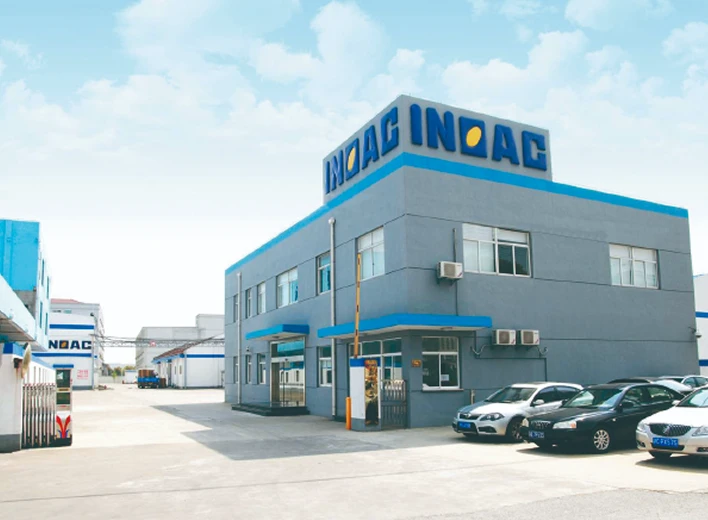
Expanded full-scale into China
Established joint venture in China
Semiconductive functional rollers developed amid rapid growth in laser printer market
1994Kansai International Airport opened
1995Great Hanshin-Awaji Earthquake
Tokyo Subway Sarin Attack
2000s
2000September 11 terrorist attacks in the U.S.
2002Twelve EU member states adopted the euro as their common currency
2003Act on the Protection of Personal Information enacted; start of full-scale operation of Basic Resident Registration Network System
2004
Developed and manufactured pipes for geothermal heat exchange systems
2011Great East Japan Earthquake and TEPCO Fukushima Daiichi Nuclear Power Station Accident
2015Sustainable Development Goals (SDGs) adopted by the United Nations
2017
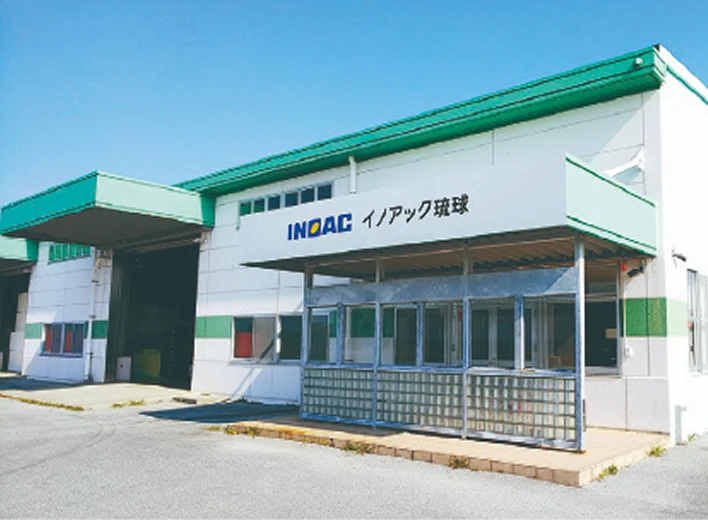
INOAC Ryukyu Co., Ltd. established
Since the 1960s, the INOAC Group had expanded its network of Group companies across Japan in step with the growth of its businesses. The Group has expanded its business while maintaining strong local roots, and now comprises over 30 companies in Japan. INOAC Ryukyu Co., Ltd. was established in 2017 as another step in this journey, as the Group's first location in Okinawa.
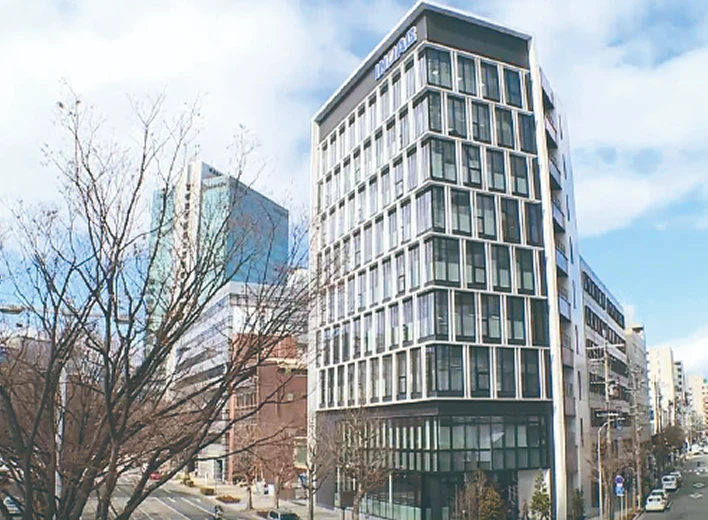
Established Jinno R&D Center in Nagoya
2018
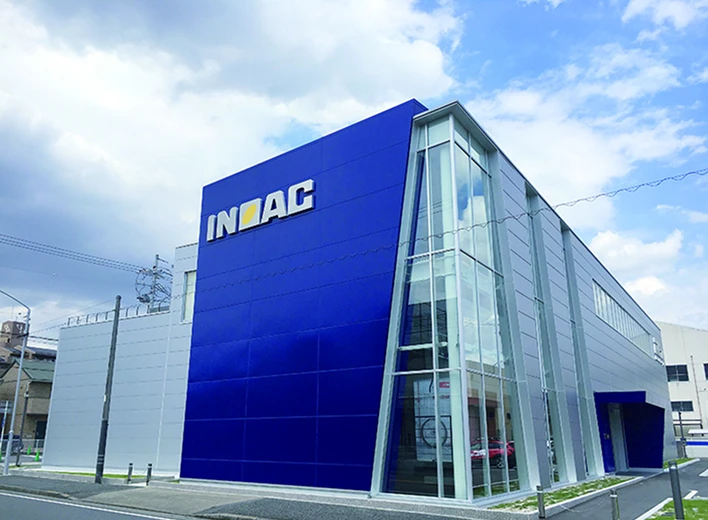
Nagoya Head Office expanded and new company building established
2018Work-style reform legislation enacted
2019Consumption tax raised to 10%
2021Tokyo Olympic Games held
2026
Developed “rePURous™,” recycled polyurethane foam produced using chemical recycling technology
December:
100th anniversaryof the INOAC Group
For the World. For the Future.For the World.For the Future.
INOAC is a polymer materials manufacturer specializing in urethane, rubber, plastics, and composite materials.
As a global company that provides the essential materials behind manufacturing, we will continue to support the world's manufacturing and the future of innovation for the next 100 years.